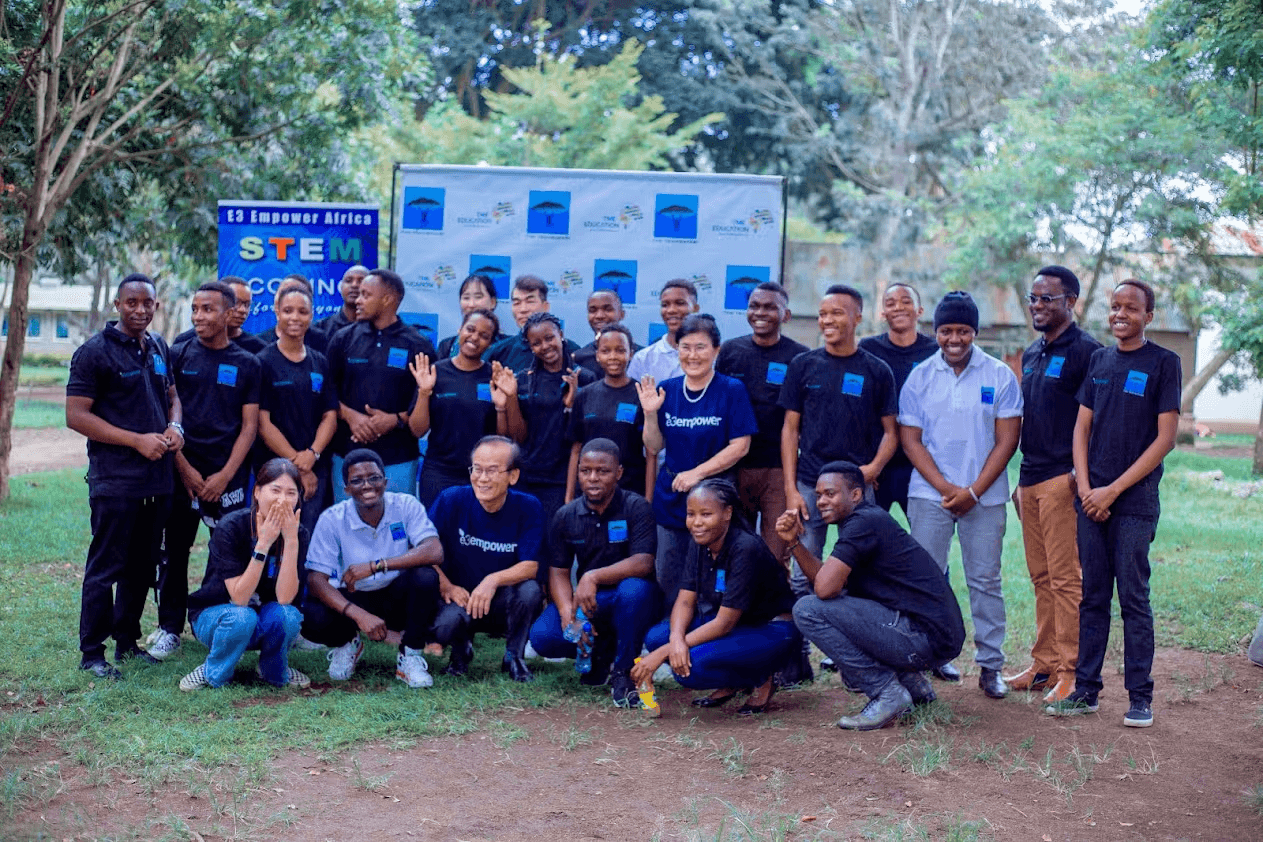
Nuru is now part of teKsafari
Nuru is joining teKsafari
 Ignas Kamugisha
Nuru is a Swahili programming language built from the ground up, allowing Swahili speakers to express programming constructs in their native language.
And I know what you’re thinking: Why build a Swahili programming language? Aren’t there already a dozen “better” languages than Nuru could ever be?
Yes. "You’re absolutely right". Now buckle up!
Why a Swahili Programming Language
As AI systems get stronger, the “how” is getting cheaper every year. Implementation details are being trivialized. The real advantage shifts to the “what”: knowing what to build, why it matters, and having systems understanding at a high level. The winners won’t be the people who can write the most syntax from memory—they’ll be the people with strong fundamentals and the confidence to build.
That’s why we believe the programming language of the future is going to be the one you already speak—Swahili!
The real Problem
Tanzania—and many African countries—has historically struggled to self-sustain advanced technical projects, which pushes us into relying on foreign contractors. That cycle has real costs: it removes opportunities for young Tanzanians to become builders, and it produces solutions that are often culturally mismatched and hard to maintain once external teams leave.
And the problem isn’t talent. Tanzania has plenty of talented young people. The problem is access and the path to get started.
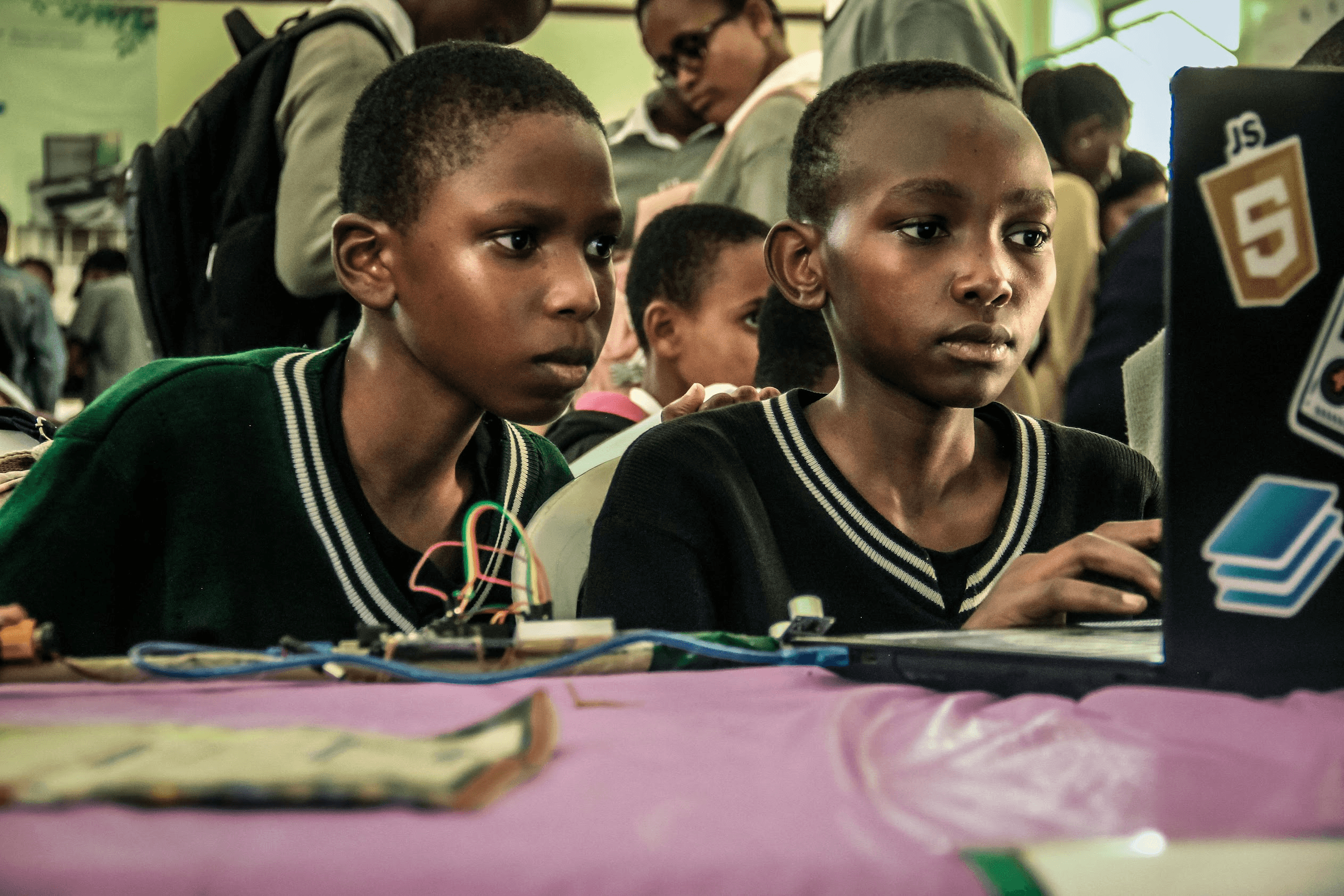
Many learners can’t practice regularly because tools and resources are hard to get, hands-on learning is limited, and language makes it even harder. English is still the main language for teaching tech, but for many students—especially outside big cities—English is their third language. So they spend time translating before they can even think through the ideas. That slows them down, leads to less practice, fewer projects, weaker portfolios, and fewer local builders ready to create.
So No! we can’t import systems built for different realities and expect them to work here. We have to build tools that fit local context and give young people a real on-ramp into making.
Nuru is one of the clearest examples of what that looks like.
Nuru is a Swahili-first programming language built from the ground up so learners can start building confidence in a language that feels natural. It exists because Fuad decided to build it. Although started as a "hobby" project, Nuru quickly turned into something people genuinely cared about. The community used it, shared it, improved it, and kept it alive.
teKsafari became one of the biggest contributors to that ecosystem. We built an interactive playground on top of Nuru because we wanted young Tanzanians to explore ideas, build projects, and learn through experimentation.
Try out the Nuru software playground below
As we rolled the playground out in our programs, we realized something big: in practice, we’d become one of Nuru’s main distributors. Week after week we put it in front of learners, collected feedback, and saw exactly what worked and what needed to change. For example, we kept seeing a gap in hardware/electronics education, so we prototyped an extension for virtual electronics programming.
Try out out the hardware playground below
At that point, treating Nuru and the playground as “separate” stopped making sense. In practice, they were already one product.
One roadmap, one future
Over the last few months working closely with Fuad, the alignment became obvious. We share a bias toward building, a deep respect for learners, and a belief that local-first tools can be world-class. Fuad’s consistency and care in building Nuru, even without expecting anything in return, is rare. We wanted that craftsmanship and judgment close to the center of what comes next.
So today, we’re excited to share the next chapter:
teKsafari is acquiring Nuru, and Fuad is joining us so we can build the future of human-centered EdTech together, on one shared roadmap.
Our commitment
Nuru will remain open with all its sauce. Contributions especially local sorcerers will be very very welcome. Development will stay transparent and teKsafari will take a more active role in shaping its direction.
We’re committing to scale Nuru into more classrooms and training programs—from kindergarten to bibi’s house, and everywhere learning happens in between.
We also want to be honest about the engineering road ahead. Deep integration between the language and our simulation-first playgrounds may require a major rewrite… It's just what it takes to build the next phase properly, with the playgrounds as a first-class citizen of the Nuru system from day one.
Thank you to Fuad for building with care and keeping Nuru alive. And thank you to the community — everyone who’s supported Nuru so far.